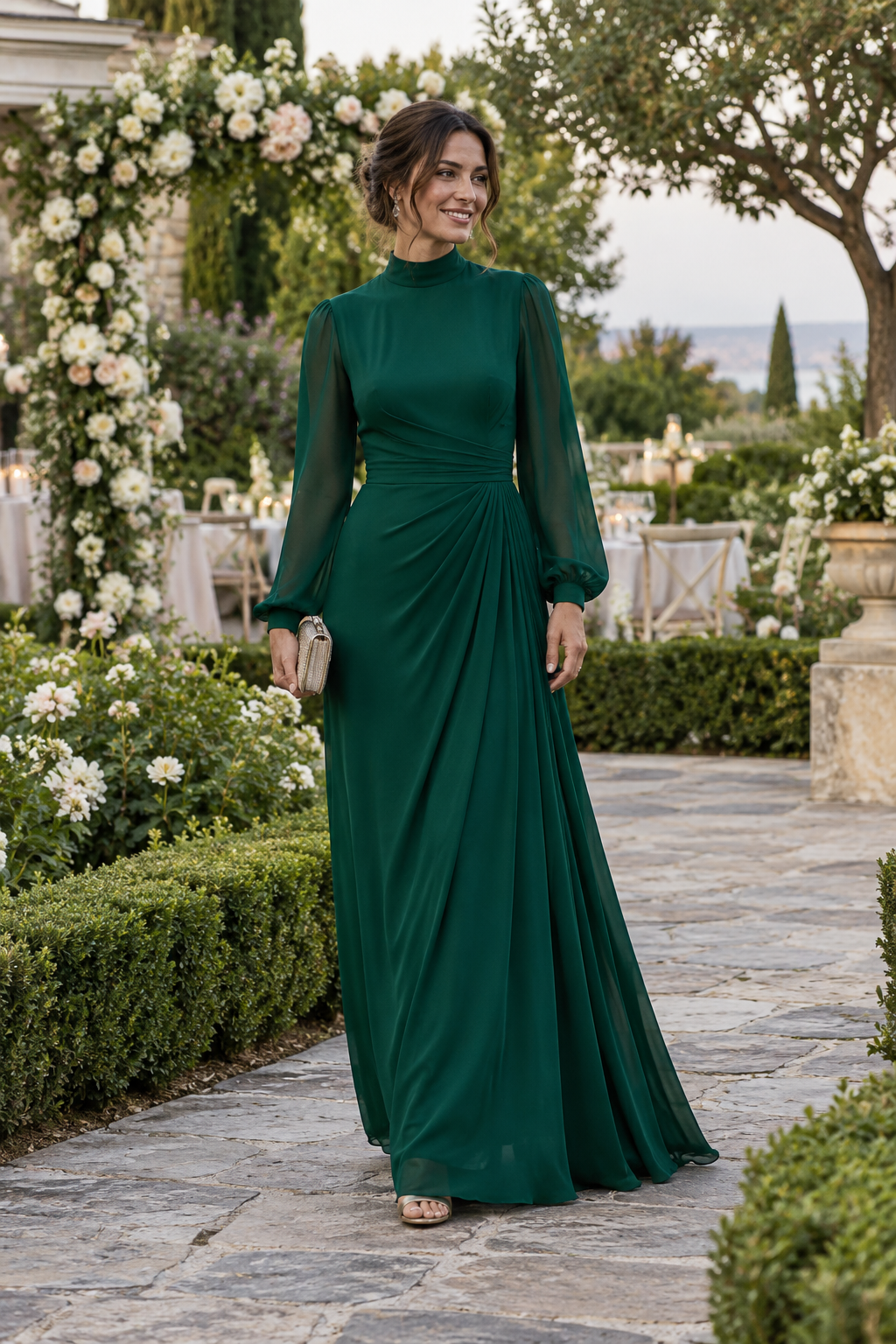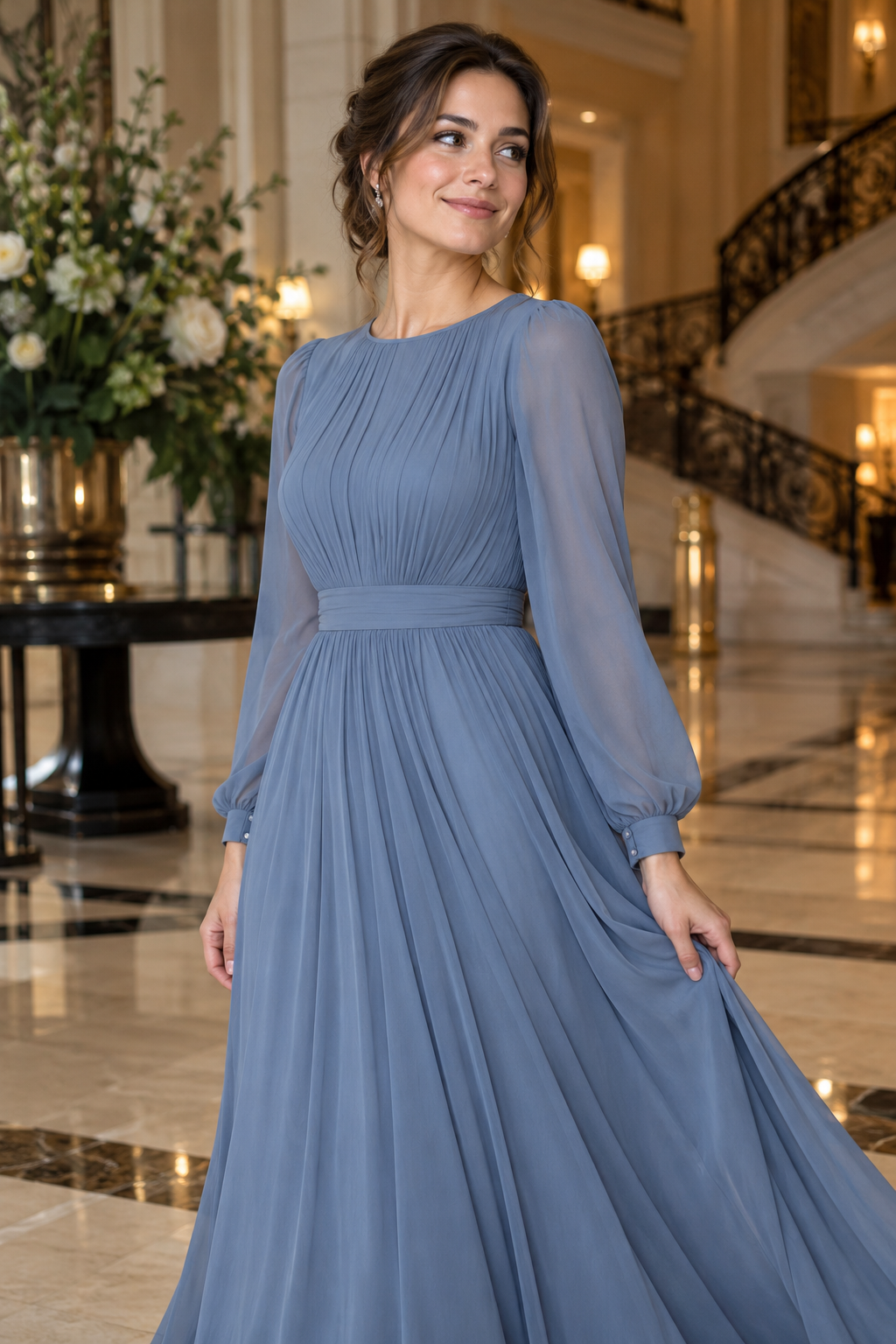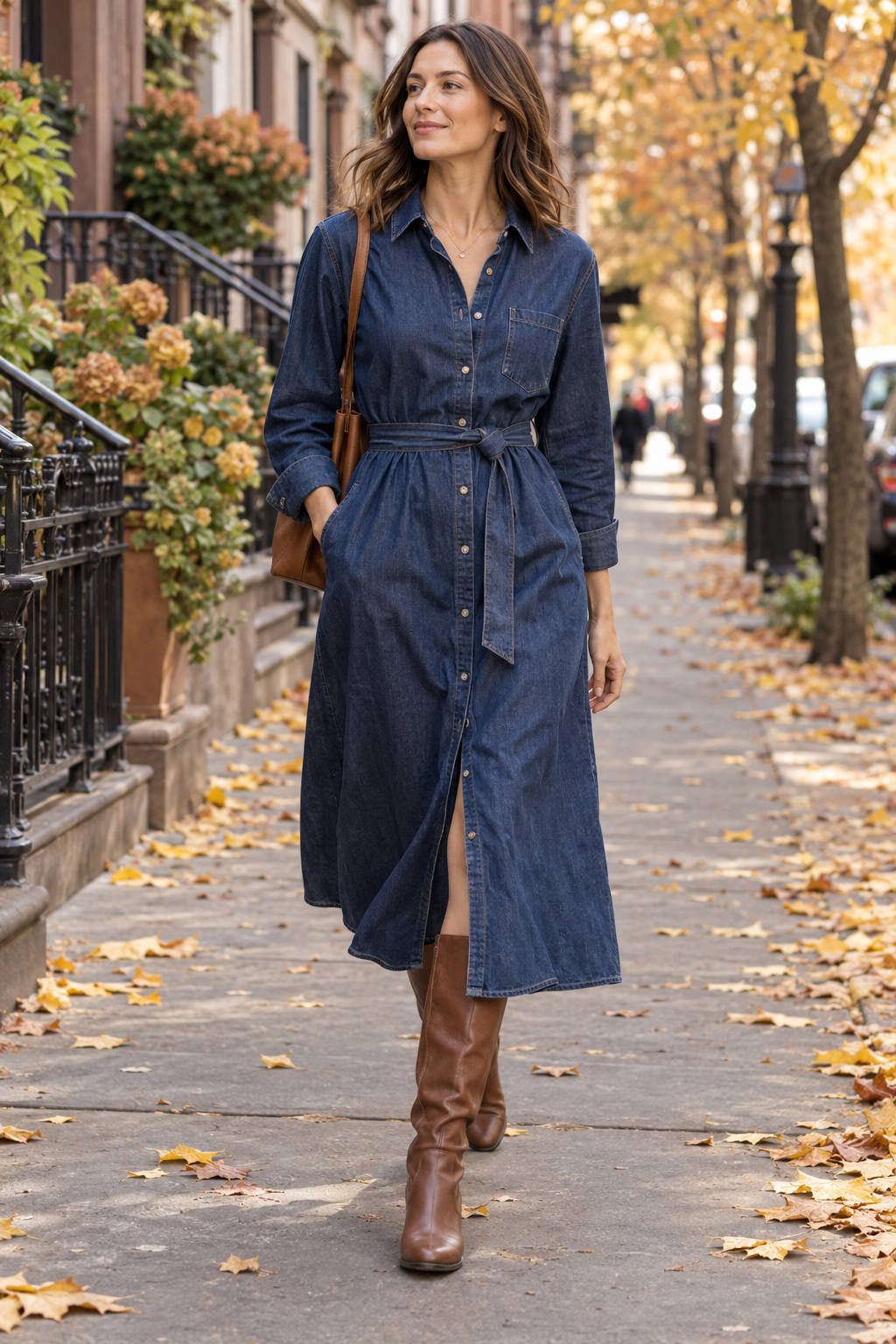
Winter Event Dresses: Warmth Without Losing Elegance

Winter invitations ask more of a dress than summer ones do. You may move between cold streets, warm rooms, and an evening journey home. A good outfit accounts for each part of that experience while still feeling celebratory. Start with fabric and layering, then refine the silhouette and accessories.

Dress for the whole journey

It is easy to plan only for the room where an event takes place. Consider the walk from transport, a possible outdoor photograph, and the temperature on the way home. If you will wait outside, a polished coat is part of the outfit rather than an afterthought. Check whether the venue has a cloakroom and whether you will need to carry a layer through the event. A dress that looks elegant indoors but leaves you uncomfortable during the rest of the evening is not a practical choice. Planning the whole journey gives you more confidence once the day arrives.

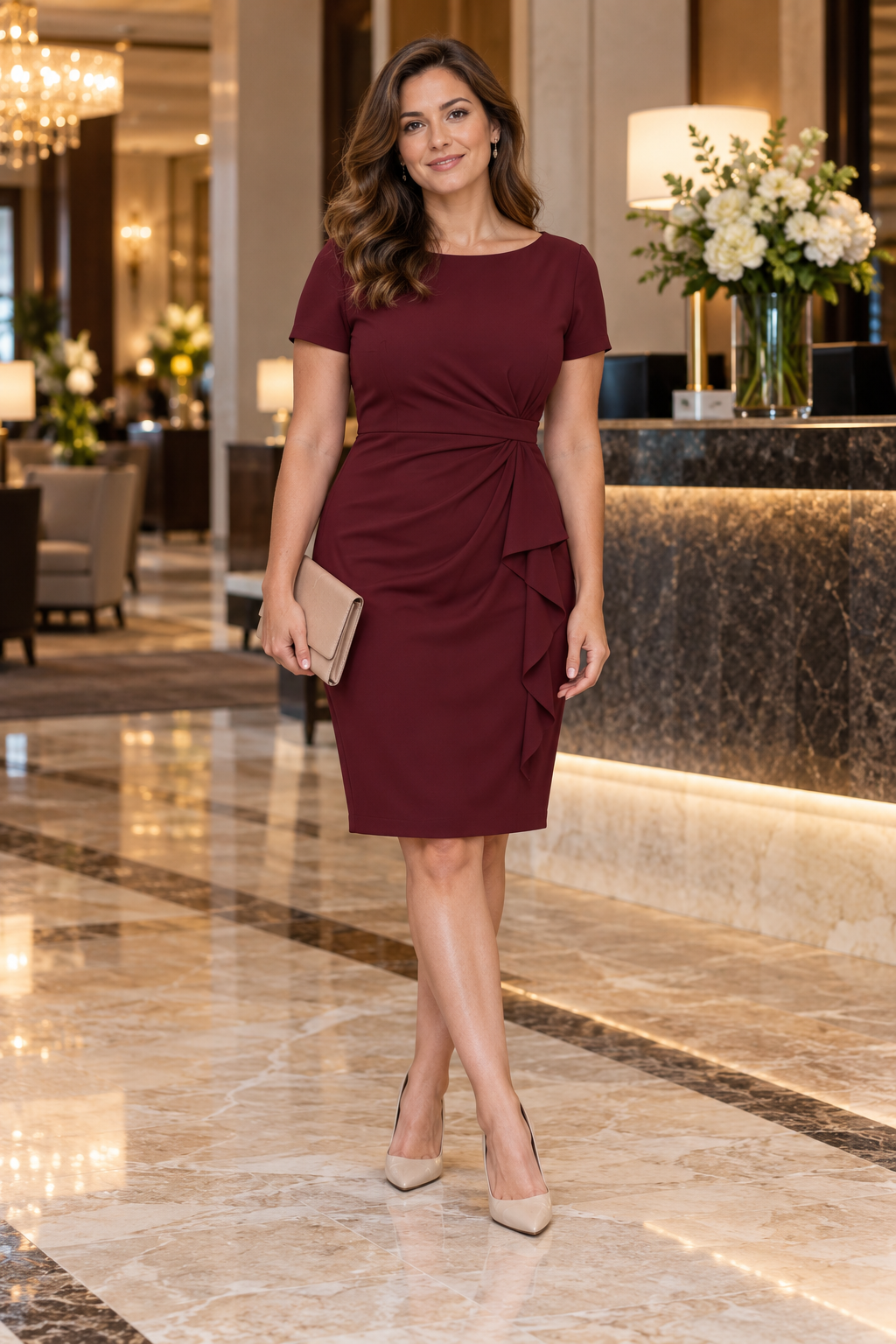
Adult model wearing a burgundy long-sleeve dress outside a winter restaurant

Use winter-friendly fabric

Velvet has depth and warmth, making rich colors look especially beautiful under evening light. Heavier crepe holds a clean line, while knit dresses can be polished when the structure and fit are right. Satin is elegant but may be cool against the skin, so pair it with a thoughtful layer. Check lining and seam comfort before buying. A dress that is too warm in a heated room can be as distracting as one that is too light outdoors. The aim is adaptable comfort, not the heaviest possible fabric.

Build warmth through layers

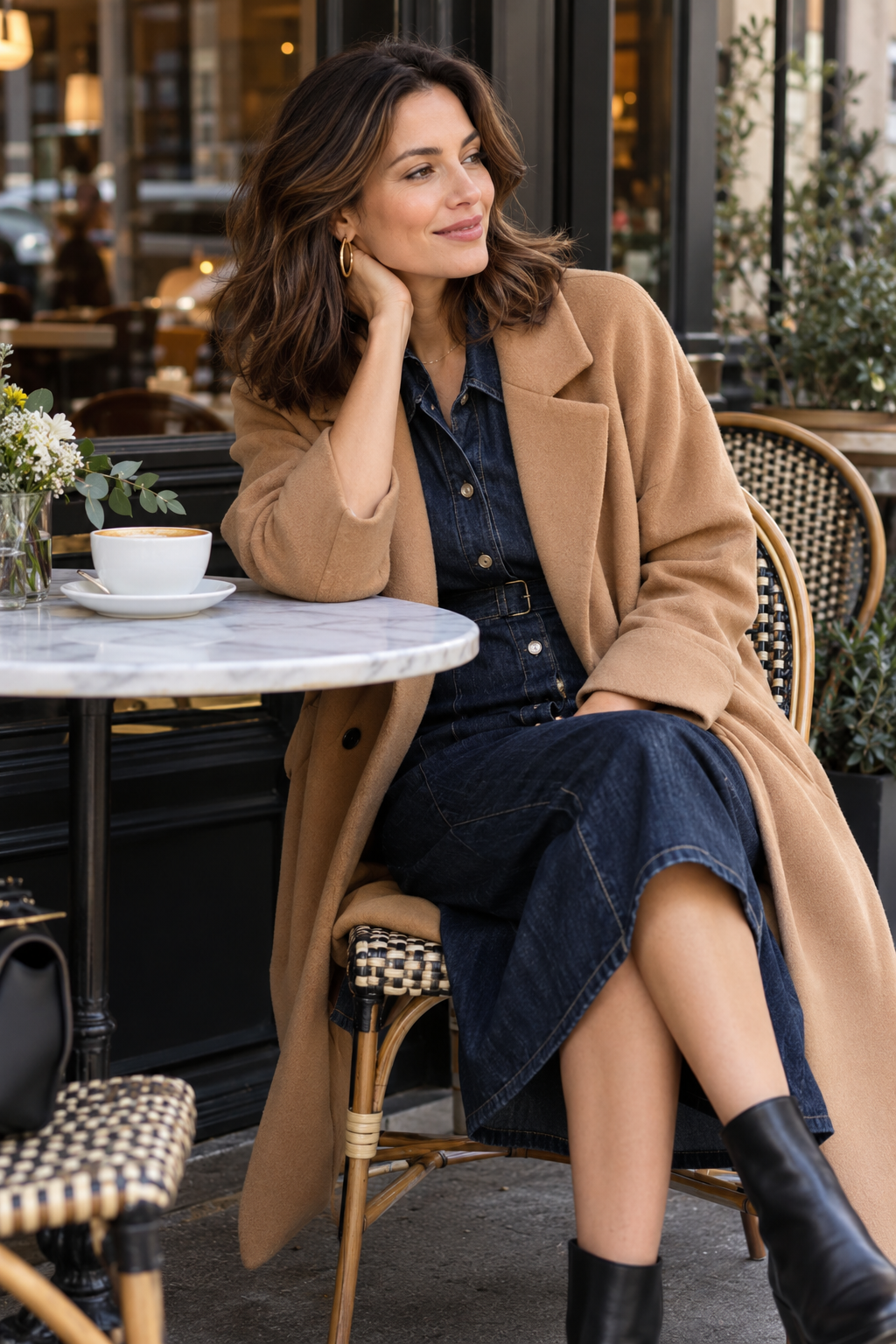
A long wool coat, tailored jacket, or elegant wrap can make a winter dress more useful across several occasions. Choose a layer that works with the neckline and hem rather than covering them awkwardly. A coat that ends at a similar point to a midi dress can look intentional; a much shorter casual jacket may break the line. Thermal underlayers can be helpful when they remain invisible and do not alter the fit. Test the full combination at home so you know how the dress moves when the layer comes off.

Choose a silhouette that moves

Long sleeves add coverage, but a sleeveless dress can work beautifully with a coat or wrap. Midi and maxi lengths offer warmth while keeping a formal feel. Make sure a narrow skirt allows a normal step on wet pavement and stairs. If you plan to dance, check that the sleeves and shoulders move without pulling. A defined waist can keep a heavier fabric from looking shapeless, while a simple column makes velvet or crepe feel modern. Try the dress with the shoes and outerwear you will actually wear.

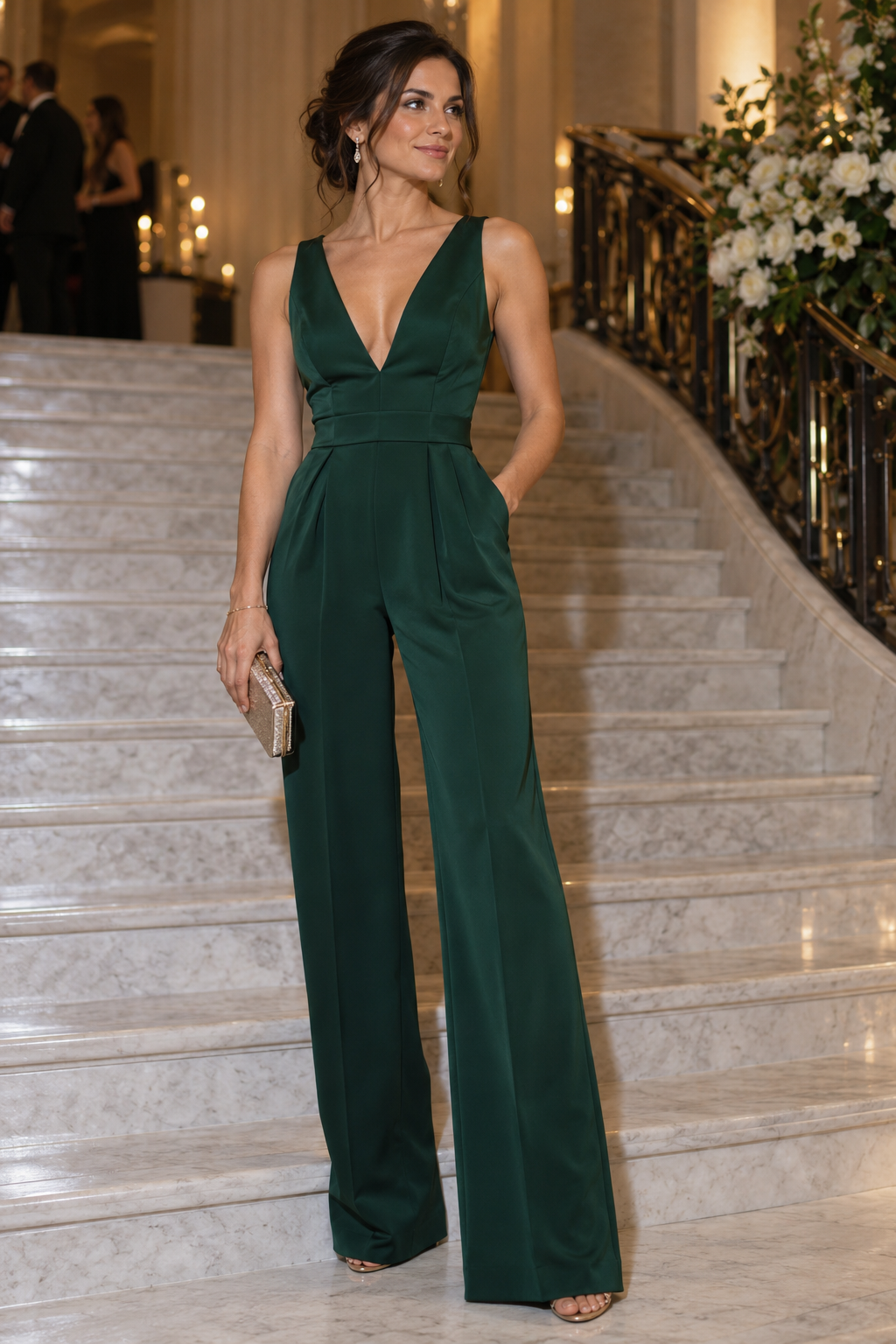
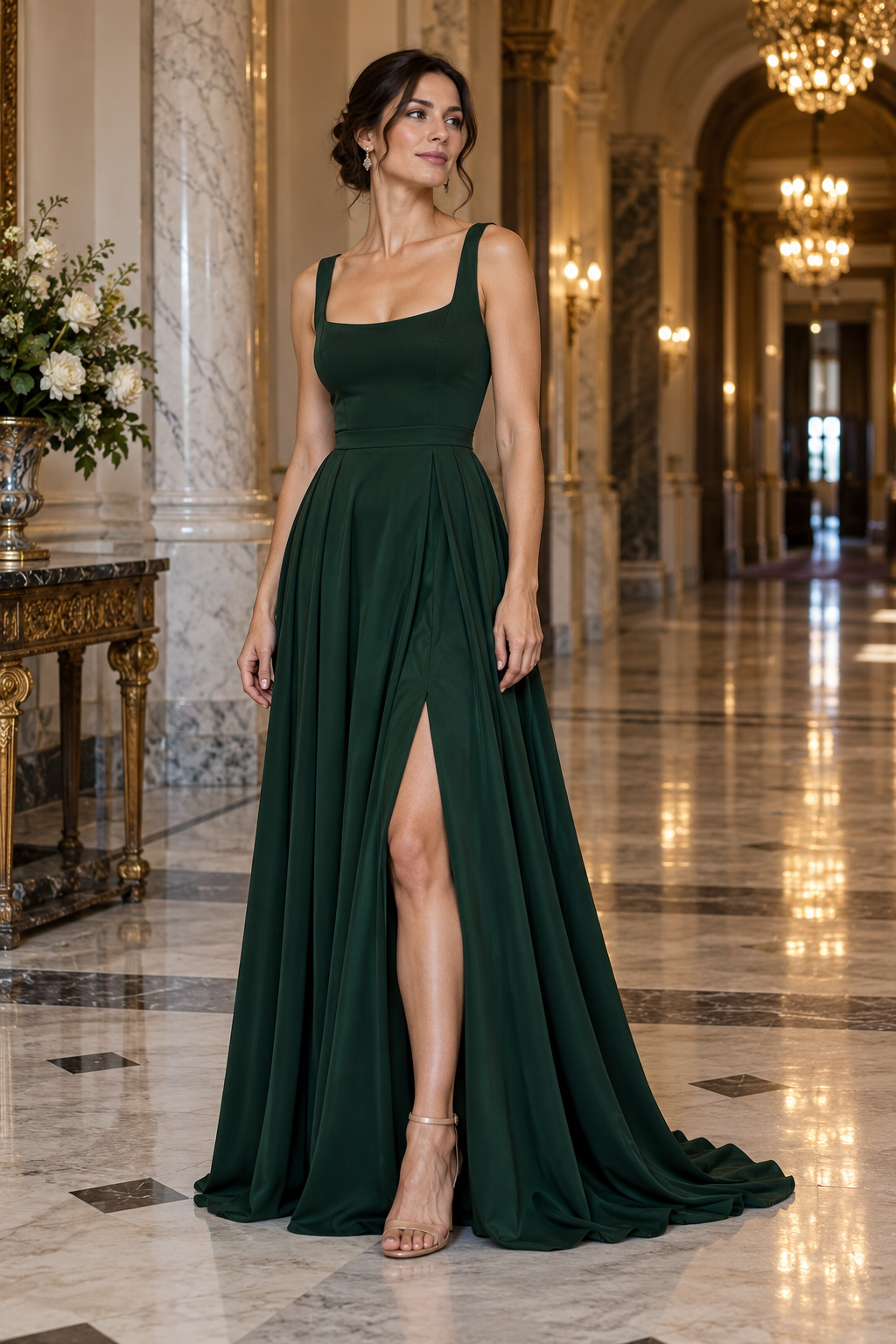
Adult model wearing a forest-green velvet dress at an indoor winter event

Finish with season-aware accessories

Closed-toe heels, refined flats, or dressy boots can all suit a winter event when the styling is cohesive. Consider grip on slippery ground as well as appearance. A small evening bag keeps the outfit polished, but make room for essentials such as lip balm and gloves if you will travel outdoors. Jewelry often looks strongest when it contrasts with the texture of the dress: delicate metal against velvet, for example, or a sculptural earring with plain crepe. Keep accessories comfortable enough to wear throughout the evening.

Check the final look in two lights

Winter daylight can make colors appear cool and flat, while indoor lamps make them warmer and deeper. Photograph the outfit in both if possible. Burgundy, forest green, navy, plum, and black can all feel rich, but fit matters more than the shade. Sit down, put on the coat, remove it, and take a few steps. If every part of the outfit works in sequence, you have found a look that supports the evening instead of interrupting it. Elegance is easier to enjoy when warmth and movement have already been considered.

What if you move between cold outdoors and a warm venue?

Build a removable layer into the outfit from the beginning. A well fitting coat can handle the journey, while the dress underneath should be comfortable in a heated room. Avoid relying on a bulky sweater that changes the silhouette or wrinkles the bodice. Test the transition at home: carry the bag, remove the coat, and check how the fabric settles. This small rehearsal can reveal practical problems before a long evening.

How to Wear a Red Dress: Color, Occasion and Accessories

A red dress can be quiet, dramatic, romantic, or sharply modern. The result depends on the shade, cut, fabric, and setting. If you like the color but worry that it will feel too bold, begin with one clear idea for the occasion and keep the rest of the outfit considered. Red is versatile when you let it lead.

Find the shade you enjoy wearing

Scarlet and true red feel vivid in daylight, while cherry, brick, oxblood, and burgundy offer different levels of depth. There is no rule that one undertone suits everyone. Hold the dress near your face in natural light, then look at it under indoor light if the event is in the evening. Some reds become orange under warm bulbs; others turn wine-dark. Think about whether you want the dress to be the strongest color in the room or a softer part of the setting. A shade you feel comfortable repeating is more useful than a color selected only because it is fashionable.

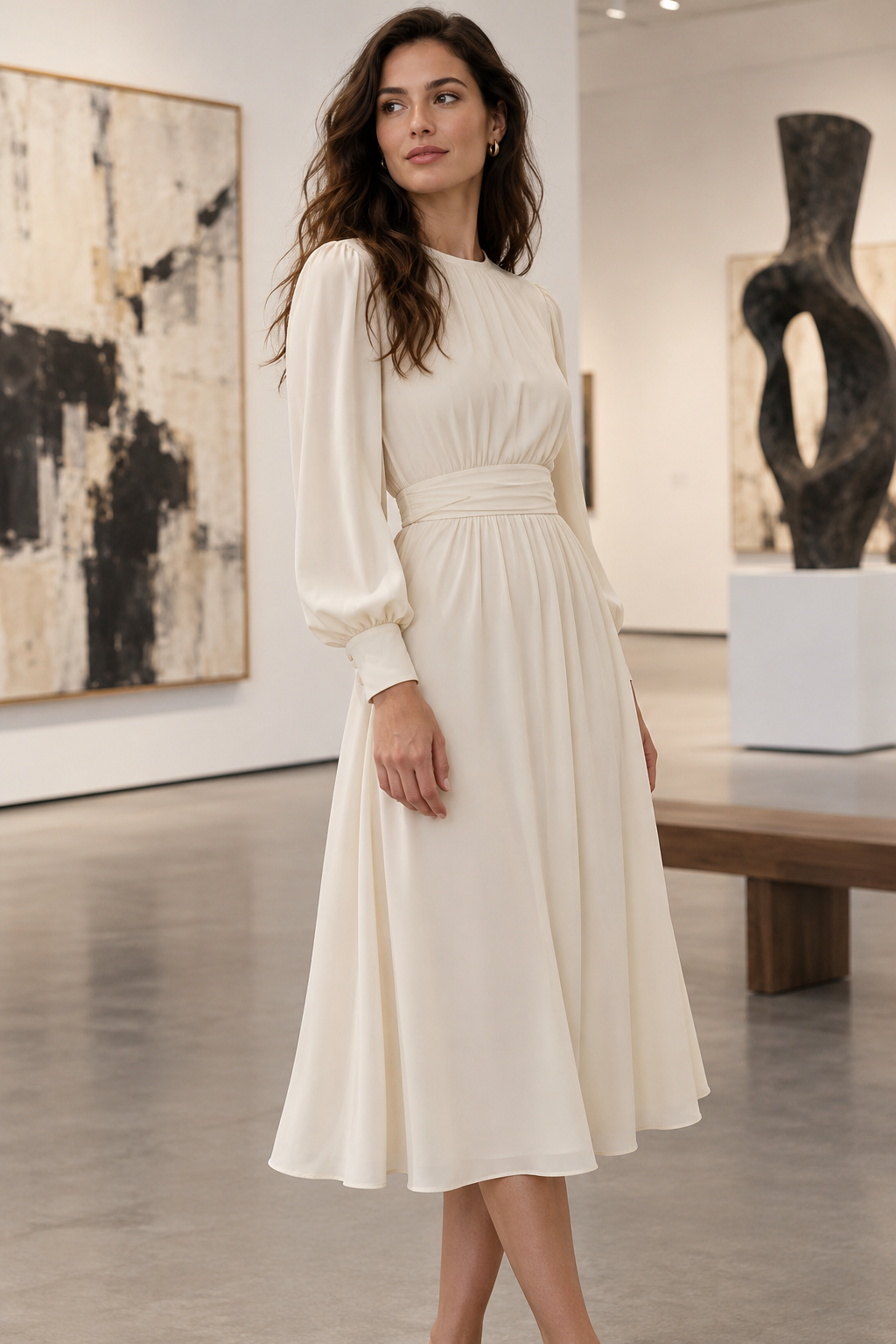
Adult model wearing a scarlet red long-sleeve dress in an art gallery

Match the cut to the event

A tailored red midi can be polished for a dinner or gallery opening. A relaxed cotton dress works for daytime, while a long satin or crepe gown suits a formal evening. For a wedding, check the invitation and cultural context, since red has different associations in different traditions. When uncertain, a restrained silhouette in a deeper red often feels more appropriate than a highly embellished bright gown. Let the dress code guide hem length, neckline, and fabric rather than treating the color alone as the entire outfit.

Let fabric control the intensity

Fabric changes how red behaves. Matte crepe makes a strong color feel clean and modern. Satin reflects light and looks more glamorous, especially after dark. Velvet deepens the shade and works well in cooler months. Cotton or linen softens the effect for daytime, though wrinkles can become part of the look. Choose a texture that suits the venue and the amount of movement planned. A beautifully cut red dress in a simple fabric may be more memorable than one with many competing details. Examine seams and lining closely because a saturated color can reveal construction flaws.

Keep accessories intentional

Black accessories create contrast, while tan or brown can make red feel warmer and easier for day. Metallics add an evening finish, but one metal usually gives the clearest result. A cream bag or subtle pearl can soften a sharp red outfit. Avoid feeling obliged to match every accessory to the exact dress shade; near matches can look accidental. Instead, choose a small palette of two or three colors. A sculptural earring may be enough jewelry when the dress has an interesting neckline. Try the complete look in daylight before you commit.

Adult model wearing a crimson A-line dress in a city plaza

Make makeup and styling work together

You do not need red lipstick to wear a red dress. A natural lip can let the garment remain the focus, while a carefully chosen red lip creates a more deliberate, classic effect. If you choose both, compare the undertones rather than assuming any two reds will match. Hair can be simple when the dress has volume or strong shoulders. A soft updo can show a neckline; loose hair can make a structured dress feel less formal. Styling decisions should support how you want to feel, not follow a fixed formula.

Wear it with ease

A vivid color attracts attention, so comfort matters. Check that the dress lets you sit, walk, and reach without shifting. Photograph it in the lighting you expect at the event and inspect whether the fabric becomes sheer or overly shiny. If you keep adjusting the neckline or smoothing the skirt, tailoring may be worthwhile. The best red dress is one you forget you are wearing after the first few minutes. That ease is what turns a striking garment into a convincing personal style statement.

Can a red dress work in the daytime?

Yes. Choose a matte fabric and a relaxed cut, then use accessories that suit the setting. A cotton or crepe midi with flat sandals feels very different from a satin evening gown, even in a similar shade. Daylight also makes fit and fabric quality more visible, so check lining and seams carefully. If you are attending a ceremony, read the dress guidance and consider the cultural meaning of red for that particular celebration.

Maternity Event Dresses: Comfortable Fits for Celebrations

A celebration dress during pregnancy should make room for the body you have today and the day you plan to enjoy. Baby showers, weddings, and family gatherings each call for a slightly different look, but comfort, support, and easy movement matter in all of them. These ideas help you choose a dress that feels special without requiring constant adjustment.

Fit the current moment

Pregnancy changes fit quickly, so buy for your current measurements and the date of the event rather than for a familiar pre-pregnancy size. If the occasion is several weeks away, a style with some flexibility in the waist or back may offer more peace of mind. Wrap shapes, soft empire seams, and gentle gathering can allow room while preserving definition. Check whether the fabric recovers after stretching and whether the bodice offers the coverage you want. Online measurements and customer photos can help, but keep the return window in mind. A dress should accommodate movement without pulling across the bust or bump.

Pregnant adult model wearing a blush dress at a garden celebration

Choose fabric that feels good

Soft jersey, breathable cotton blends, and fluid crepe are often comfortable for long events. Chiffon can give a dress an airy formal finish when paired with a lining that does not cling. Satin creates a polished look but may reveal creases or feel less forgiving at the waist, so try it while seated as well as standing. Pay attention to seams, labels, and lining: a detail that seems minor in a quick fitting can become distracting after hours of wear. Consider the venue temperature too. A light layer or a sleeve can be useful when an outdoor event continues into the evening.

Match shape to the occasion

For a baby shower, a softly shaped midi in a favorite color can feel festive without being overly formal. A wedding may call for a longer or more structured silhouette depending on the dress code. A family dinner might suit a knit dress with polished accessories. The most useful question is how the dress supports the activities planned. If you will be sitting for a meal, posing for photos, and walking between spaces, test each movement. A hem that tangles around your legs or a neckline that shifts every time you bend will make even a beautiful dress hard to enjoy.

Plan shoes and accessories

Footwear deserves as much thought as the dress. A stable low heel, elegant flat, or secure sandal can look refined while supporting a long day. If your feet tend to swell, allow a little room and try shoes later in the day when possible. A compact bag keeps essentials close without adding weight, and one favorite piece of jewelry can make a simple dress feel occasion-ready. If you need a layer, choose one that sits comfortably over the bump and does not hide the dress completely. Accessories should help you feel prepared, not add another thing to manage.

Pregnant adult model wearing a sage green pleated dress outdoors

Consider practical details

Think about travel, rest breaks, and how easily the dress can be cared for after the event. A garment that wrinkles severely in a car may require steaming on arrival. A zipper you cannot manage comfortably may be frustrating without help. If you are planning to nurse later, a wrap or button-front style may offer longer use, though there is no need to prioritize that for every purchase. Choose undergarments that fit the dress and test them together before the event. Small practical choices can make the entire day feel calmer.

Trust your comfort

There is no single maternity silhouette that everyone must wear. Some people love a close fit that celebrates the bump; others prefer a softer drape. Both can look beautiful. Try on the dress in good light and spend a few minutes sitting and moving. If you can breathe easily, feel supported, and recognize your own style in the mirror, it is doing its job. The photographs will capture your ease as much as the fabric. Let the occasion be about celebration rather than the effort of keeping an outfit in place.

How far ahead should you shop for an event dress?

Begin early enough to allow shipping, a try-on, and at least one alteration appointment, but remember that fit may change during pregnancy. A flexible closure or forgiving cut can help when an event is still weeks away. Keep the tags until you are confident, check the return window, and try the dress with the shoes and undergarments you plan to wear. The goal is to reduce last minute decisions while respecting how your body feels now.

Formal Dress Guide: Choosing a Gown for Prom and Beyond

A formal gown has to work in motion, in photographs, and over several hours of celebration. Whether you are shopping for prom, a gala, or another dressed-up evening, begin with fit and comfort before you settle on color or embellishment. The most memorable look is one you can wear with confidence from the entrance to the final dance.

Read the occasion before shopping

A formal invitation can mean different things in different venues. A school prom may allow a broad range of silhouettes and colors, while a black-tie gala often asks for a longer, more refined gown. Check the venue, expected weather, and any published dress guidance before buying. Think about stairs, walking surfaces, and how much time you will spend standing. A flowing skirt can be lovely in an open ballroom yet awkward in a crowded restaurant. Save a few reference images that match the actual setting. This keeps the search focused and makes it easier to resist a dress that looks exciting online but belongs to a different event.

Adult model wearing a lilac formal gown in a ballroom

Choose silhouette through movement

A-line gowns offer room to move and a defined waist without clinging to the hip. A column looks clean and modern, while a fit-and-flare silhouette creates a more sculpted outline. Ball gowns bring drama through volume, but they need space and careful hemming. Try your preferred style with the shoes you intend to wear. Walk, turn, sit, and raise your arms. A strapless bodice should stay secure without constant pulling; a narrow skirt should allow a normal step. Look for support and ease as well as the shape you like in a static photo. You will spend the evening moving, not standing on a pedestal.

Let fabric decide the mood

Satin reflects light and gives a smooth, dressed-up finish. Chiffon moves softly and can feel especially comfortable in warmer rooms. Tulle creates volume and romance, while velvet carries rich color beautifully for cool-weather events. Fabric also affects care: some materials crease during travel, catch on jewelry, or show water marks. If possible, hold a swatch or inspect the dress in natural light and indoor light. A color that looks muted in a showroom may appear much brighter under evening lamps. Choose texture that suits the event and feels pleasant against your skin for hours.

Use color as a personal choice

Begin with shades you already enjoy wearing rather than a list of supposedly universal colors. Lilac, deep blue, emerald, wine, and classic black can all look elegant when the cut is strong. Consider the event backdrop and whether you want contrast or a softer effect in photographs. If you are choosing with friends, coordinating does not require identical dresses. Related tones can feel intentional while leaving each person room to express herself. Take a daylight photo before removing the tags. It shows how the color behaves on camera and reveals details that a changing-room mirror may conceal.

Adult model wearing a deep blue tulle gown in a garden pavilion

Plan the fit and alterations early

Formal dresses often need at least a hem adjustment. Leave enough time for a tailor to address straps, bust support, and length, then schedule a final fitting with shoes and undergarments. If you order online, consult garment measurements instead of relying on a familiar size number. Read the return terms before paying, particularly for customized pieces. At the fitting, check how the dress looks after sitting; some bodices shift or crease unexpectedly. A small alteration can sharpen the entire silhouette, but a poorly fitting foundation is difficult to rescue. Buy for the areas that are hardest to alter and refine the rest.

Finish without overloading the look

Choose accessories that support the gown. A simple dress can carry a sculptural earring or a striking bag; an embellished gown often looks better with quieter pieces. Shoes should be comfortable enough for the length of the event, and a small wrap can help in a cool room. Test the complete look in one session, including hairstyle, before the day arrives. Keep a small kit with a safety pin, fashion tape, and any necessary touch-up items. Once everything is ready, let the outfit do its job. The best formal look allows you to enjoy the people, music, and moments around you.

What matters most when ordering a formal gown online?

Compare your measurements with the actual garment chart, not only the size name. Confirm the return deadline, delivery date, and whether alterations are possible. Read reviews for comments about lining, zipper quality, and color under natural light. Leave a buffer for tailoring and a backup option if shipping is delayed. A beautiful photograph is a starting point, but dependable fit and construction are what make the gown work in person.

Petite Dress Guide: Fit, Hemlines and Proportion That Work

Petite dressing is often described as a search for length, but the more useful goal is proportion. A thoughtfully chosen dress can make every line look purposeful while leaving you free to move through the day. These practical checks help you compare dresses for work, celebrations, and evenings out without relying on a rigid list of rules.

Begin at the shoulders

The shoulder is the anchor of a dress. If straps slide, armholes gape, or a sleeve begins too far down the arm, the whole garment can look oversized even when the waist is snug. Choose a fit that works at the shoulders and bust before considering what can be altered below. A clearly placed waist seam, gentle wrap closure, or shaped bodice gives the eye a natural point of reference. This does not mean every petite person needs a high waist. Try different cuts and notice where the garment meets your own waist. A balanced dress should feel comfortable in motion as well as pleasing in a mirror.

Adult model wearing an emerald green midi dress in a city courtyard

Choose the hem deliberately

Hem length changes the rhythm of an outfit. A knee-length dress shows the leg clearly, while a midi can look especially elegant when it ends at a narrow point below the knee. If a midi cuts across the widest part of the calf and feels heavy, shortening it slightly may transform the look. Maxi dresses are also an option: the important detail is that the skirt clears the floor with the shoes you actually plan to wear. Bring those shoes to the fitting. A clean hemline lets fabric move naturally instead of bunching around your feet, and it reduces the temptation to keep lifting the skirt.

Look closely at fabric and volume

Fabric determines whether the silhouette feels light or heavy. Satin and crepe make a smooth line; cotton poplin can give a shirt dress a crisp outline; chiffon offers softness when it is cut with restraint. Notice where gathers begin. Dense ruching through the middle can add bulk, whereas controlled pleats that release below the waist create an airy skirt. Print scale is personal rather than absolute. Small prints may feel quiet, but a large pattern can be striking when its placement is deliberate and the overall shape stays simple. Compare options in daylight, where texture and fabric weight are easier to judge.

Build the complete outfit

Accessories change the proportion of a dress. A shoe close to your skin tone can create a continuous line, while a contrasting shoe works when it repeats a color from the dress. Pointed flats, low heels, and refined sandals can all look polished; added height is not a requirement. Keep the size of the bag in conversation with the garment rather than letting it dominate. A long necklace can extend a simple column, while earrings frame a higher neckline. Try everything together and take a photo from a normal distance. A camera held very low can distort proportions and make comparisons less useful.

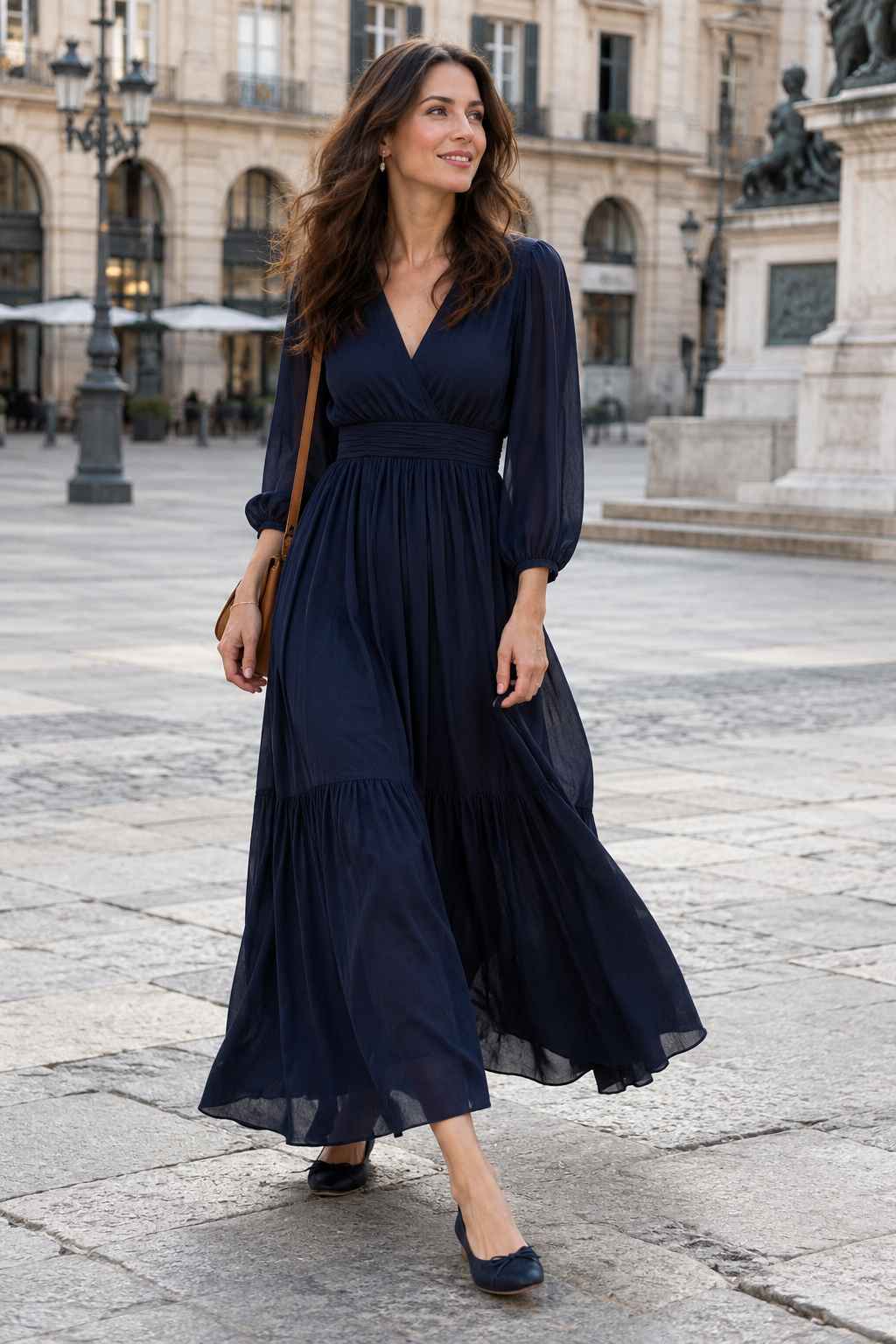
Adult model wearing a navy A-line dress on a cobblestone street

Know what a tailor can change

Petite sizing is a helpful shortcut, not a guarantee of a perfect fit. Common alterations include shortening a hem, raising a waist seam, adjusting straps, and refining a sleeve. Ask about these changes before committing to a costly dress. Moving a lace border, beaded edge, or large print can take more work than shortening a plain skirt. Allow time for a follow-up fitting, especially if the dress is for a wedding or formal event. Good tailoring can make a modestly priced dress feel far more special than an expensive one that fits approximately. Keep your planned undergarments and shoes consistent across fittings.

Make the final check practical

Wear a promising dress for several minutes rather than judging it immediately. Sit, walk, reach, and turn. The neckline should stay where you expect it, and the waist should not demand constant adjustment. Ask a friend to photograph you at a normal distance in natural light. If you can stop thinking about the fit and focus on the occasion, you are close to the right choice. Petite style is ultimately attention to detail and comfort. The strongest dress is the one whose proportions feel intentional on your body, regardless of the label or the trend of the season.

What if a petite size still feels too long?

Use the size that fits the shoulders and bust, then ask a tailor to assess the waist and hem. Petite labels vary between brands, and a standard size with a simple alteration may fit better than a petite cut with the wrong shoulder shape. Ask for a pin fitting before removing tags or making a nonreturnable purchase. A few well placed changes can preserve the dress design while making it feel made for you.

Vintage Dress Details That Never Go Out of Style

Choosing a special-occasion outfit is about more than following a trend. Start with the setting, the dress code, and the version of yourself you want to feel like throughout the day. A thoughtful silhouette, comfortable fabric, and edited details will always look more convincing than an overcomplicated look.

Editorial dress inspiration

Begin with the setting

Consider the location, time of day, weather, and the pace of the celebration. These practical details guide color, hem length, fabric weight, and footwear. The most successful outfit feels appropriate for the room without disappearing into it. Try it on fully and notice whether you can walk, sit, and move with ease.

Let fabric and proportion lead

Fabric sets the mood: satin feels polished, textured lace feels romantic, and clean crepe feels modern. Pair that with a proportion that makes you feel balanced. A defined waist, a graceful neckline, or a beautifully cut sleeve can be enough to make a simple dress feel distinctive.

Refined accessories for the occasion

Finish with intention

Choose accessories that support the dress. One considered shoe, small bag, or personal jewelry detail is often more effective than many competing pieces. Keep the overall look comfortable and personal. When you no longer need to think about the outfit, you are free to enjoy the occasion.

How to Choose the Perfect Evening Bag for a Formal Event

Choosing a special-occasion outfit is about more than following a trend. Start with the setting, the dress code, and the version of yourself you want to feel like throughout the day. A thoughtful silhouette, comfortable fabric, and edited details will always look more convincing than an overcomplicated look.

Editorial dress inspiration

Begin with the setting

Consider the location, time of day, weather, and the pace of the celebration. These practical details guide color, hem length, fabric weight, and footwear. The most successful outfit feels appropriate for the room without disappearing into it. Try it on fully and notice whether you can walk, sit, and move with ease.

Let fabric and proportion lead

Fabric sets the mood: satin feels polished, textured lace feels romantic, and clean crepe feels modern. Pair that with a proportion that makes you feel balanced. A defined waist, a graceful neckline, or a beautifully cut sleeve can be enough to make a simple dress feel distinctive.

Refined accessories for the occasion

Finish with intention

Choose accessories that support the dress. One considered shoe, small bag, or personal jewelry detail is often more effective than many competing pieces. Keep the overall look comfortable and personal. When you no longer need to think about the outfit, you are free to enjoy the occasion.

What to Wear to a Bridal Shower: Dress Ideas That Feel Right

Choosing a special-occasion outfit is about more than following a trend. Start with the setting, the dress code, and the version of yourself you want to feel like throughout the day. A thoughtful silhouette, comfortable fabric, and edited details will always look more convincing than an overcomplicated look.

Editorial dress inspiration

Begin with the setting

Consider the location, time of day, weather, and the pace of the celebration. These practical details guide color, hem length, fabric weight, and footwear. The most successful outfit feels appropriate for the room without disappearing into it. Try it on fully and notice whether you can walk, sit, and move with ease.

Let fabric and proportion lead

Fabric sets the mood: satin feels polished, textured lace feels romantic, and clean crepe feels modern. Pair that with a proportion that makes you feel balanced. A defined waist, a graceful neckline, or a beautifully cut sleeve can be enough to make a simple dress feel distinctive.

Refined accessories for the occasion

Finish with intention

Choose accessories that support the dress. One considered shoe, small bag, or personal jewelry detail is often more effective than many competing pieces. Keep the overall look comfortable and personal. When you no longer need to think about the outfit, you are free to enjoy the occasion.

How to Style a Black Dress for Every Special Occasion

Choosing a special-occasion outfit is about more than following a trend. Start with the setting, the dress code, and the version of yourself you want to feel like throughout the day. A thoughtful silhouette, comfortable fabric, and edited details will always look more convincing than an overcomplicated look.

Editorial dress inspiration

Begin with the setting

Consider the location, time of day, weather, and the pace of the celebration. These practical details guide color, hem length, fabric weight, and footwear. The most successful outfit feels appropriate for the room without disappearing into it. Try it on fully and notice whether you can walk, sit, and move with ease.

Let fabric and proportion lead

Fabric sets the mood: satin feels polished, textured lace feels romantic, and clean crepe feels modern. Pair that with a proportion that makes you feel balanced. A defined waist, a graceful neckline, or a beautifully cut sleeve can be enough to make a simple dress feel distinctive.

Refined accessories for the occasion

Finish with intention

Choose accessories that support the dress. One considered shoe, small bag, or personal jewelry detail is often more effective than many competing pieces. Keep the overall look comfortable and personal. When you no longer need to think about the outfit, you are free to enjoy the occasion.

Cocktail Dresses for Fall Weddings: A Modern Guest Guide

Choosing a special-occasion outfit is about more than following a trend. Start with the setting, the dress code, and the version of yourself you want to feel like throughout the day. A thoughtful silhouette, comfortable fabric, and edited details will always look more convincing than an overcomplicated look.

Editorial dress inspiration

Begin with the setting

Consider the location, time of day, weather, and the pace of the celebration. These practical details guide color, hem length, fabric weight, and footwear. The most successful outfit feels appropriate for the room without disappearing into it. Try it on fully and notice whether you can walk, sit, and move with ease.

Let fabric and proportion lead

Fabric sets the mood: satin feels polished, textured lace feels romantic, and clean crepe feels modern. Pair that with a proportion that makes you feel balanced. A defined waist, a graceful neckline, or a beautifully cut sleeve can be enough to make a simple dress feel distinctive.

Refined accessories for the occasion

Finish with intention

Choose accessories that support the dress. One considered shoe, small bag, or personal jewelry detail is often more effective than many competing pieces. Keep the overall look comfortable and personal. When you no longer need to think about the outfit, you are free to enjoy the occasion.